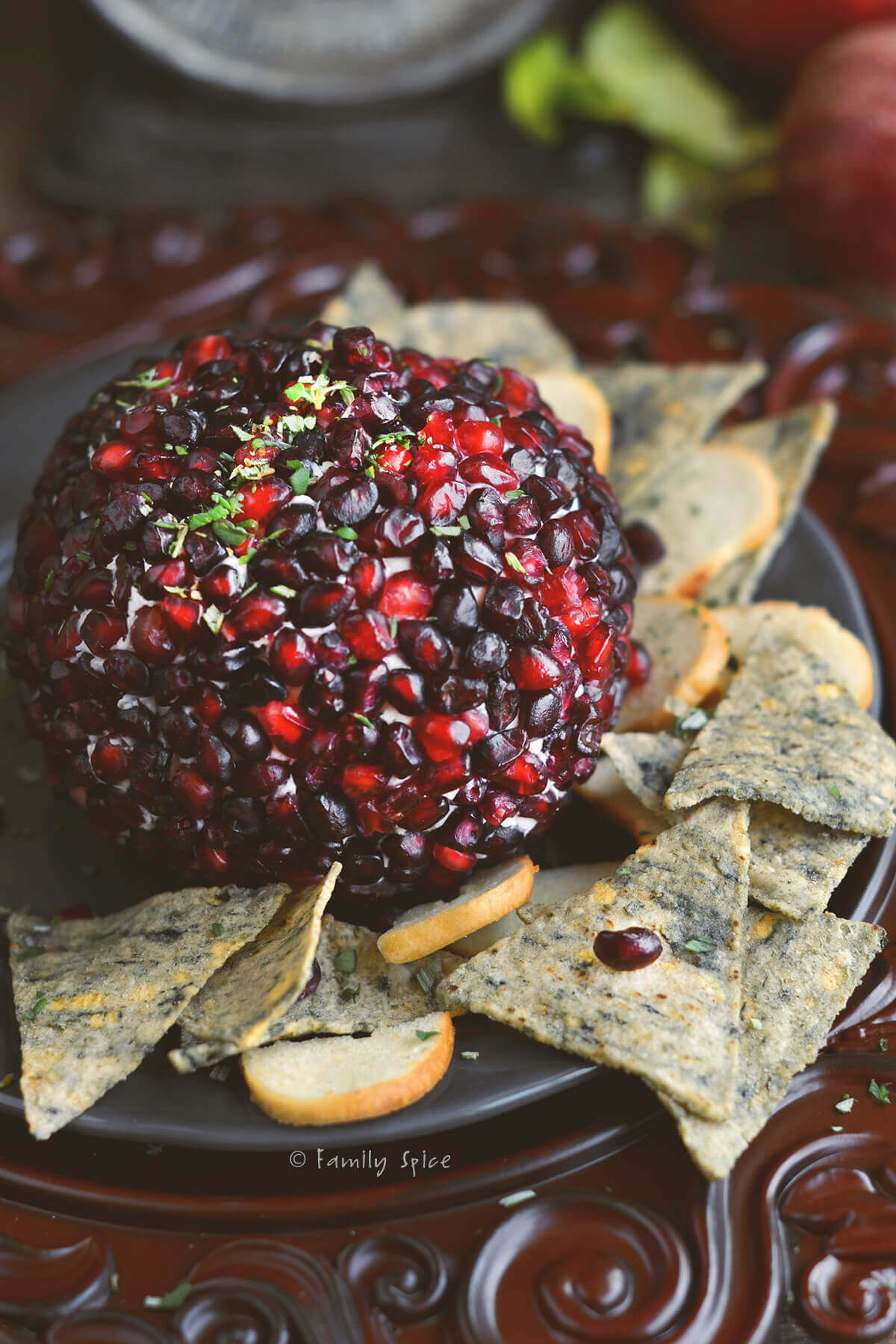
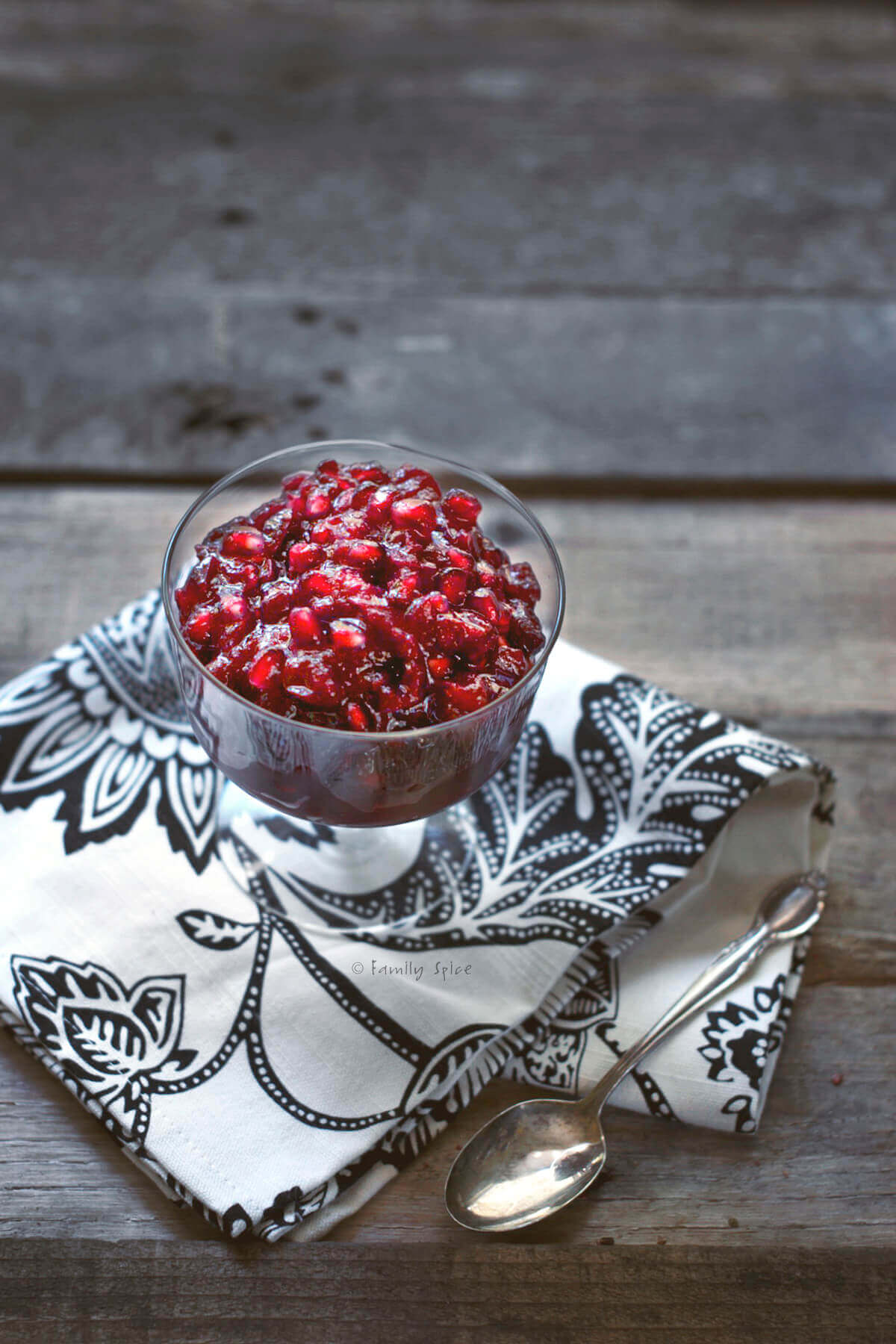
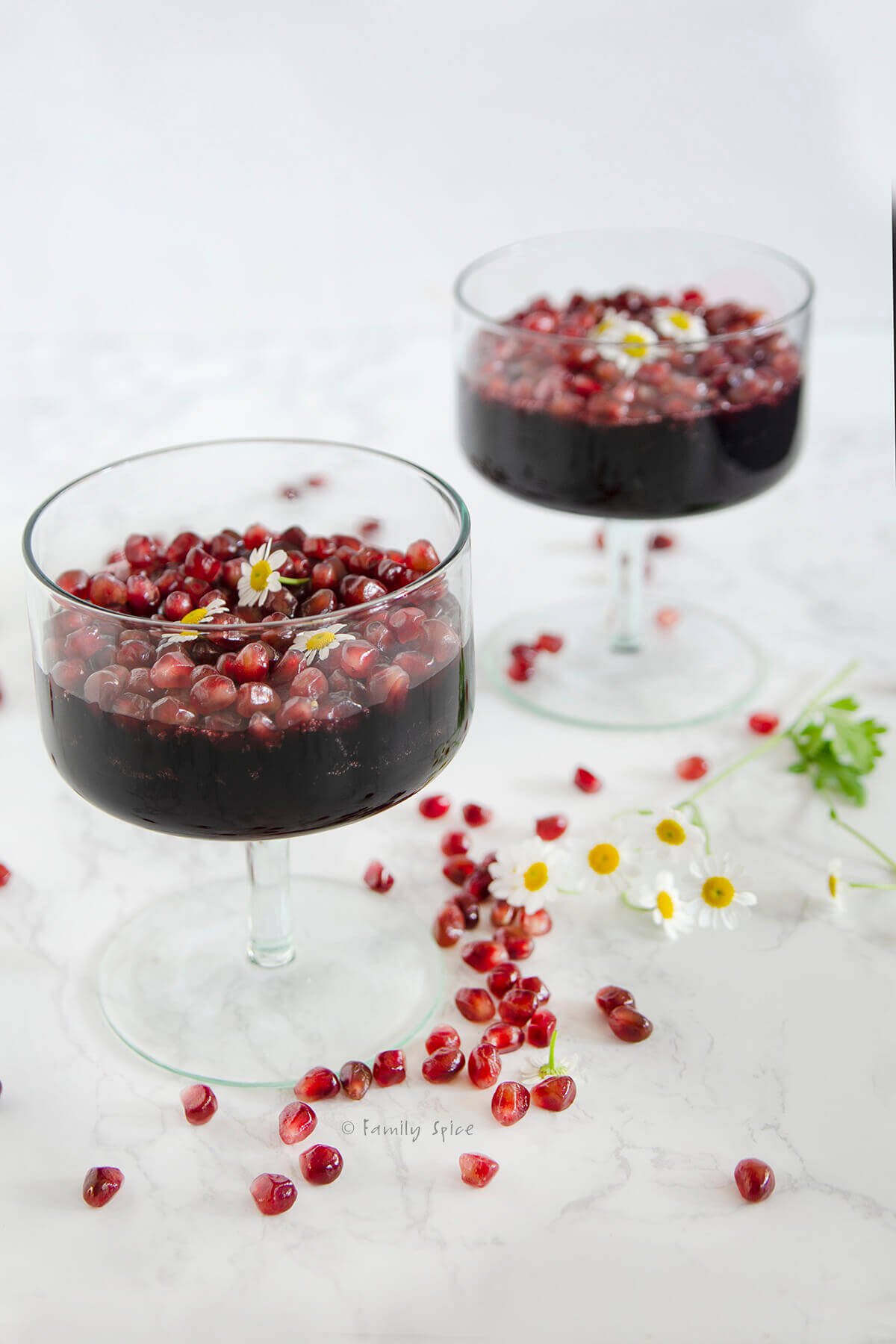
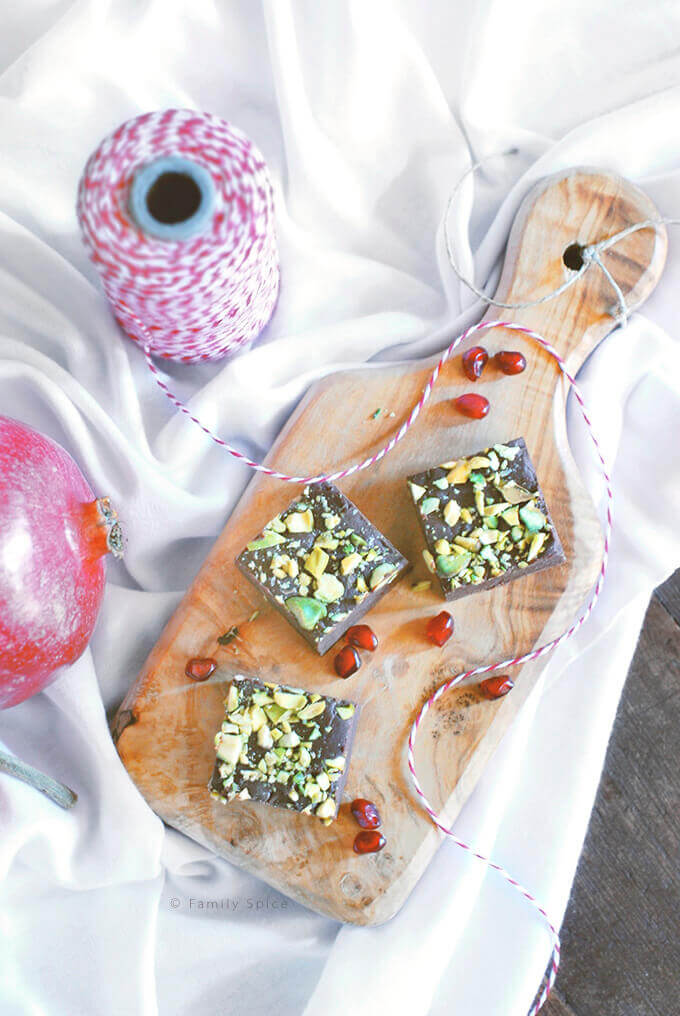
Pomegranate, the ancient fruit of the middle east, is rich in antioxidants, vitamins and fiber with its edible seeds (aka arils). These pomegranate recipes feature pomegranate juice, pomegranate concentrate, pomegranate molasses and pomegranate arils.
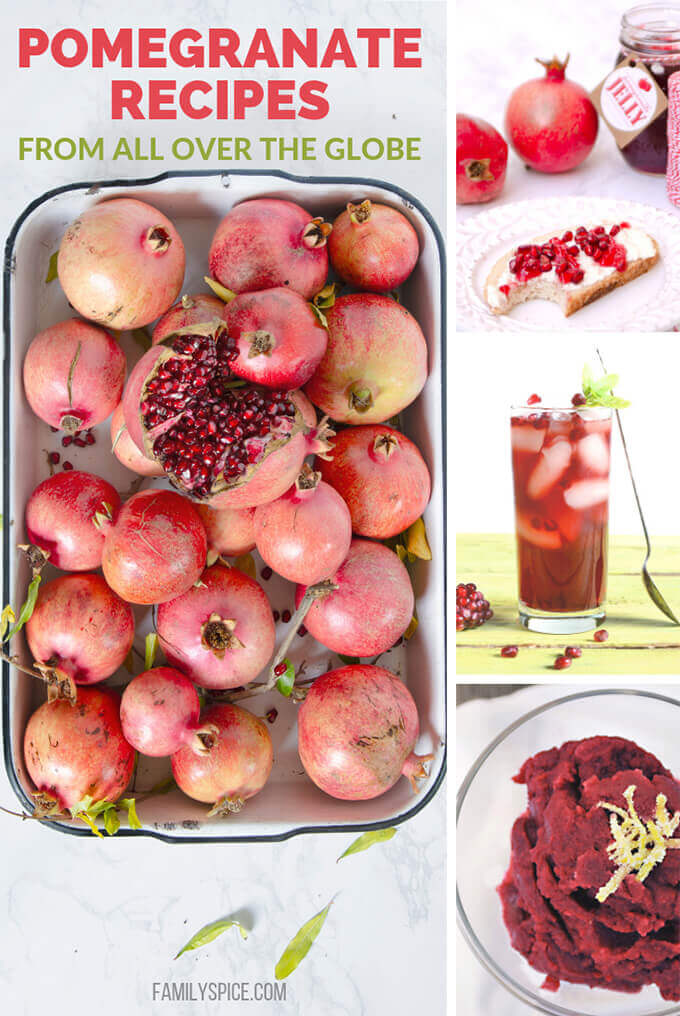
If you are new to my blog, let me be 100% clear: my family and I adore pomegranates! There is something about that sweet and tangy fruit that just makes us go crazy over this amazing fruit. Sure, it could be that we are Persian and the fact that my husband and I were raised eating pomegranates.
But more people who try this delicious fruit, quickly fall in love with it, too. Whether you have one pomegranate to work with or 40, I have a variety of recipes and posts written all about this ancient fruit. Got pomegranate questions? I’ve got the answers!
Is it safe to eat pomegranate seeds?
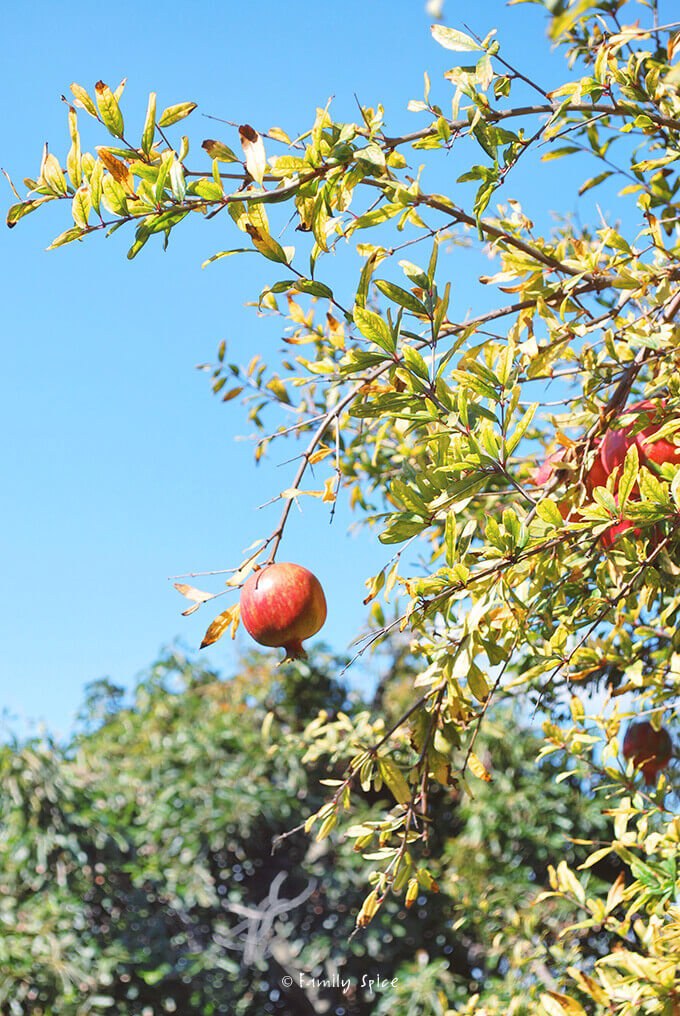
The pomegranate fruit has been documented and written about in prose and in art dating back to ancient times. It originates from the middle east, but the tree itself is grown all over the world. Pomegranate trees love dry and arid weather and only require moderate rain.
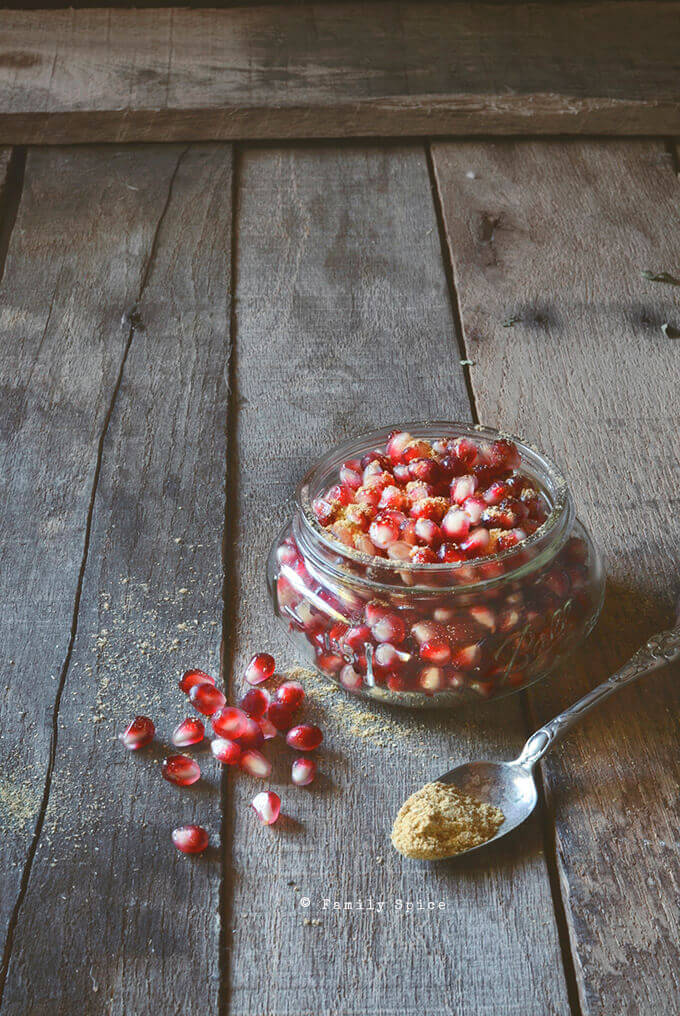
Once you peel away the tough outer skin, you find the fruit studded with many ruby red seeds, or arils. The arils contain the fruit juice and the white seed inside is most definitely edible. Some seeds may be tougher to chew than others, so not everybody is fond of the pomegranate seed. But it most definitely is edible.
You can definitely purchase pomegranate arils separately from the fruit. But it is pretty expensive compared to just peeling and seeding a pomegranate on your own. Intimidated by the pomegranate? Don’t worry. I have written a post and have a video on how to seed a pomegranate.
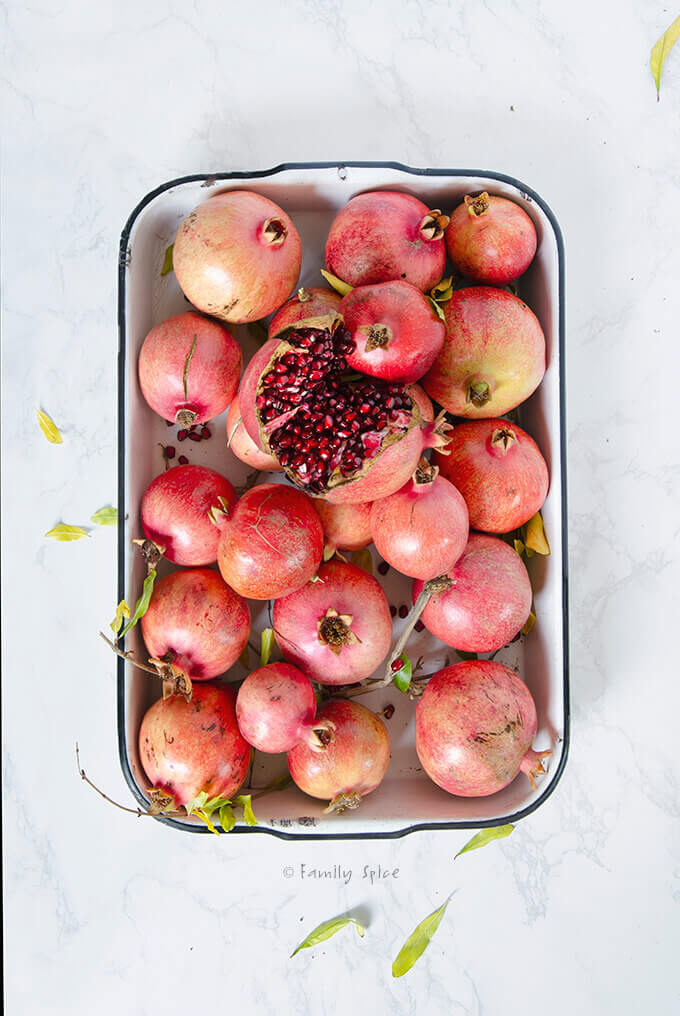
What is the benefit of pomegranates?
In ancient times, pomegranates were revered and coveted by everyone. The pomegranate fruit was thought to promote fertility and fight tapeworm and other parasites. But today we have science and not old wives tales that help us study and learn the benefits of eating pomegranates.
Pomegranates are incredibly rich in antioxidants called polyphenols. Polyphenols are also found in another Mediterranean favorite, extra virgin olive oil. There are three types of polyphenols, tannins, anthocyanins, and ellagic acid. Only pomegranates contain high amounts of all three. What does this mean to you?
Antioxidants are known for their ability to fight cell damage. They are also reported to help treat digestion issues, weight management difficulties, diabetes, neurodegenerative disease, and cardiovascular diseases (read more health benefits here).
Pomegranates are also rich in fiber Vitamin C, Vitamin K, folate and potassium. They also have been shown to have anti-inflammatory properties, too. There are numerous reports and tests that show the benefits of pomegranates. You can read more about that here.
Want to save this recipe?
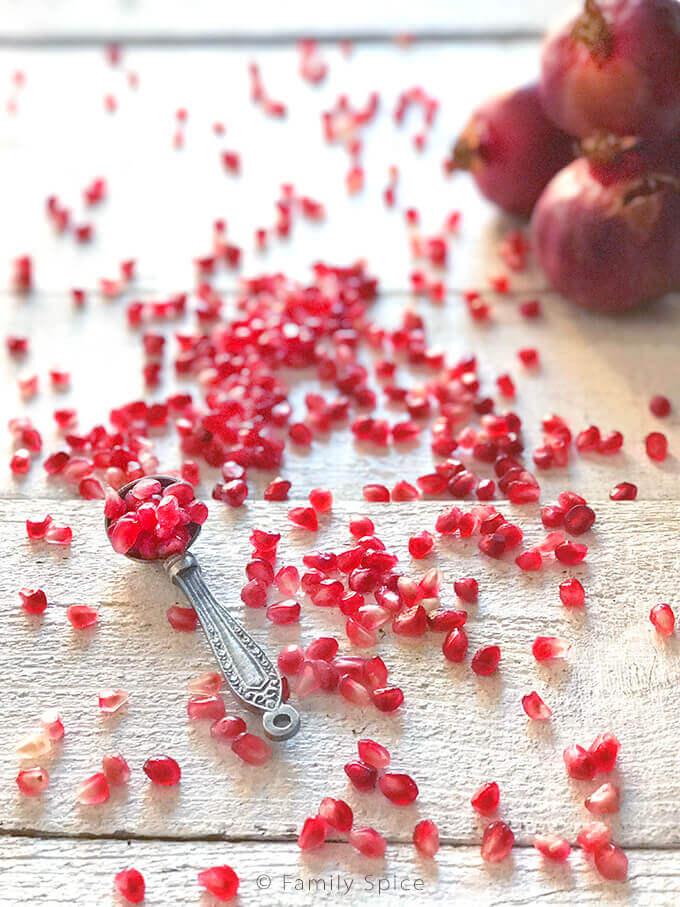
How to cut a pomegranate
So now that you know how fabulous pomegranates are not only delicious but oh so good for you, you need to learn how to cut a pomegranate. There are multiple techniques touted out there, but we found the best method. And I say this with experience, because every year we cut an average of 30-50 pomegranate.
How to juice a pomegranate
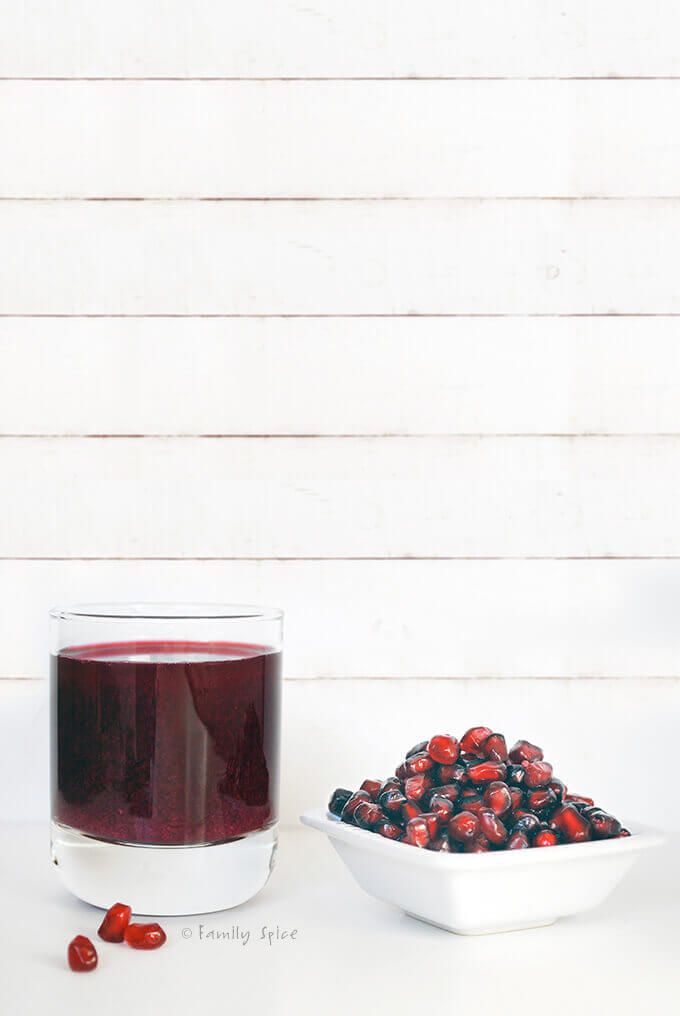
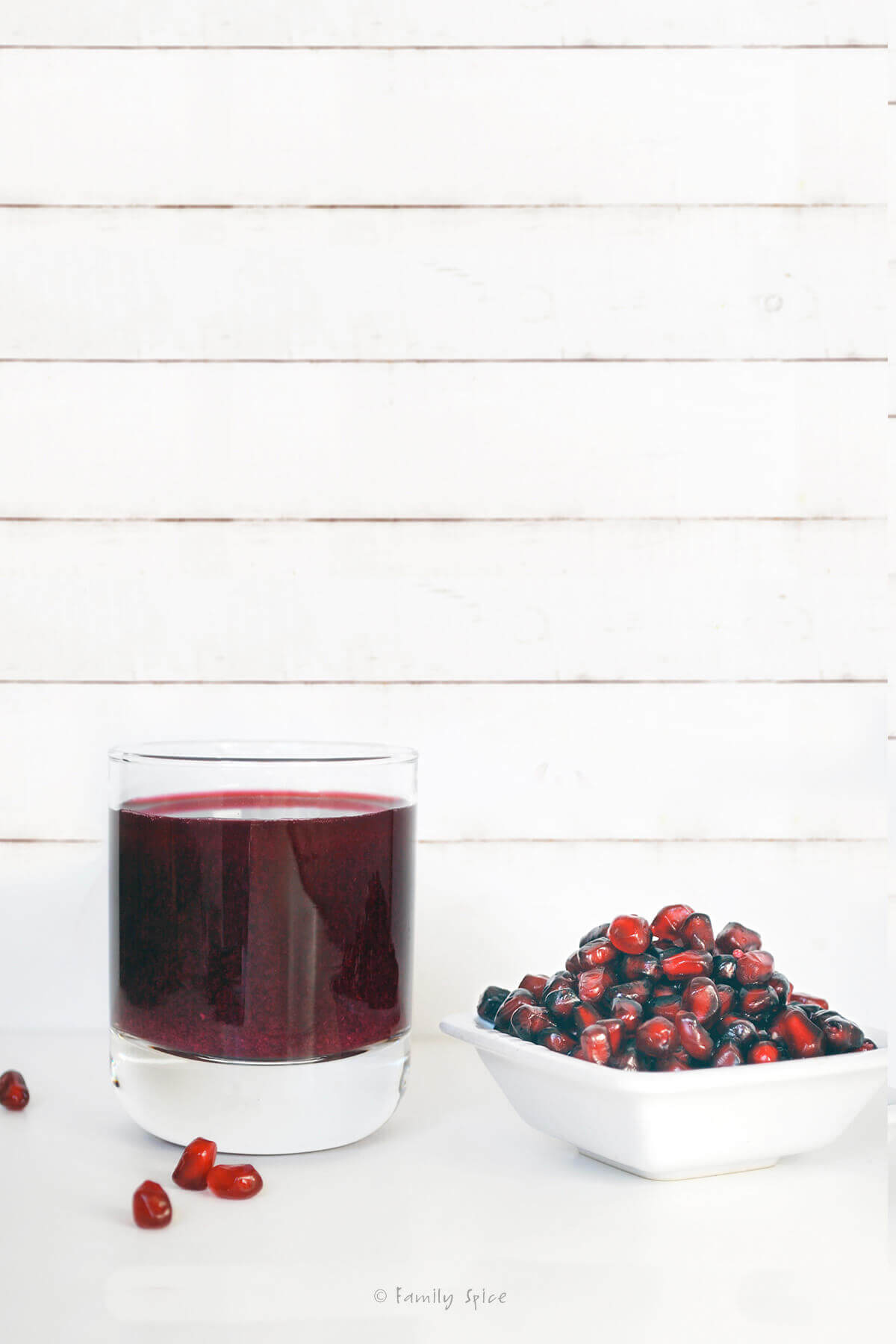
If you are not a fan of eating pomegranate seeds, but prefer a tall glass of pomegranate juice, I’ve got you covered here, too. I have broken down the many ways to juice a pomegranate and share with you my favorite technique to produce the best tasting pomegranate juice.
Once you have your pomegranate juice, what should you do with it besides drink it up? I share various recipes below that include pomegranate juice. You can also reduce it down with sugar and make pomegranate molasses.
Pomegranate as a dye
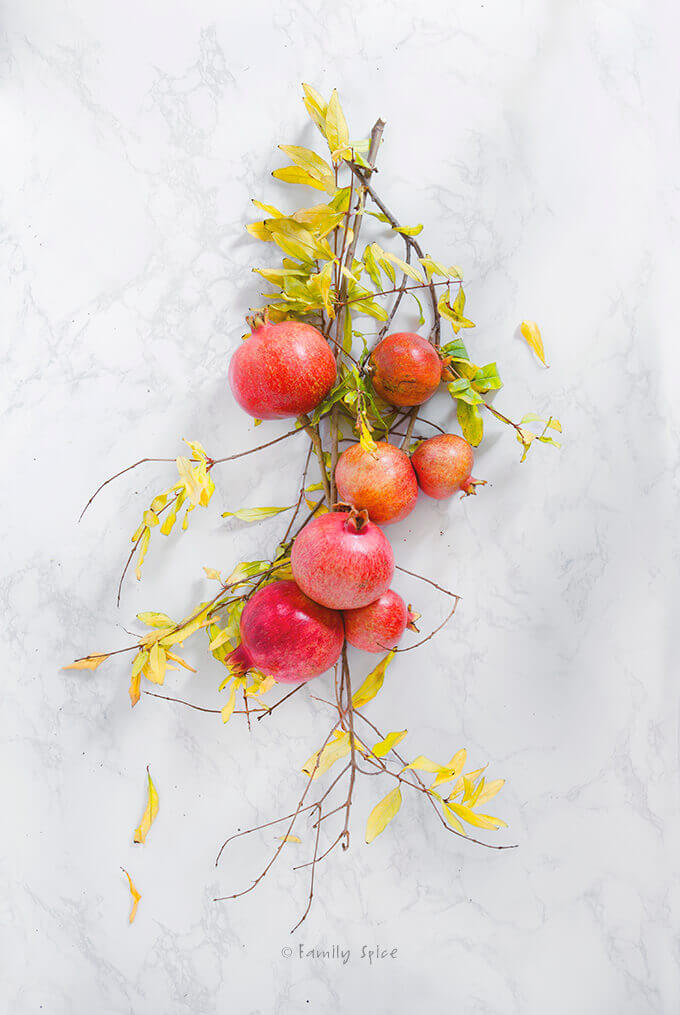
In ancient times, pomegranate blossoms were crushed to make dye. The pomegranate skins were used to dye leather. Anyone who has ever peeled a pomegranate or two (or three or 20) will notice that their finger tips get stained.
But don’t expect pomegranates to make a ruby red dye. Pomegranate oxidizes and turns brown, so the dye also turns a beautiful yellowish light brown color, depending on whether you are using immature or mature fruit. You can learn more about how to use pomegranates to naturally dye fabric here.







PS If you try this recipe, why not leave a star rating in the recipe card right below and/or a review in the comment section further down the page? I always appreciate your feedback.
You can also follow me on Pinterest, Facebook or Instagram. Sign up for my eMail list, too!